


Red 40 isn't a love language: Artificial dyes in Valentine's candy
- Jenny Pavlovsky
- Jan 19
- 3 min read

Valentine's Day is coming, and if you're anything like me, you've already spotted the heart-shaped candy displays taking over every checkout aisle. Conversation hearts, chocolate gems, gummy everything—it's a sugar-coated wonderland.

But here's the thing: I've become that person who flips the package over before tossing it in the cart (most of the time). And honestly? What I've found on those ingredient labels has changed how I think about "just a treat."
So let's talk about what's actually in those Valentine's candies—not to scare you away from them, but because I think you deserve to know what you're feeding your family. Consider this your friendly label decoder.
The Usual Suspects: Artificial Dyes in Valentine's Candy
Those bright pinks and reds that make Valentine's candy so eye-catching? They're usually coming from petroleum-based synthetic dyes. Yes, really.
Red 40 (Allura Red)
The most commonly used food dye in the U.S. You'll find it in conversation hearts, chocolate candies, gummy hearts—basically anything red or pink.
Why it matters: A 2007 study in The Lancet linked Red 40 to increased hyperactivity in children. The EU requires a warning label: "May have an adverse effect on activity and attention in children." The U.S.? No warning required.
Red 3 (Erythrosine)
Here's where it gets wild. Red 3 was banned from cosmetics in 1990 because studies showed it caused thyroid tumors in rats. But it's still legal in food—including conversation hearts.
The update: The FDA revoked authorization in January 2025, but manufacturers have until January 2027 to reformulate. So, for this year, it's still on shelves.
Yellow 5 & Yellow 6
These show up in yellow, orange, and green candies. Yellow 5 can trigger allergic reactions, especially in people sensitive to aspirin. Both were part of that "Southampton Six" study linked to hyperactivity.
TLDR: Most Valentine's candy gets its bright colors from petroleum-based dyes linked to hyperactivity and other health concerns. Red 3 is literally banned in lipstick but still allowed in candy (for now).
Beyond the Rainbow: Other Ingredients Worth Knowing
Titanium Dioxide
A whitening agent that makes candy shells opaque and colors "pop." Found in chocolate candies, gummies, and anything with that glossy finish.
The catch: The EU banned it in 2022 over concerns about potential DNA damage from nanoparticles. The FDA is reviewing it, but it's still approved in the U.S.
TBHQ
Tertiary butylhydroquinone—a petroleum-derived preservative that keeps fats from going rancid in peanut butter cups and chocolate treats. Research has raised concerns about immune system effects and tumor development at high doses.
Artificial Flavors
That "strawberry" flavor in gummy hearts? Likely Ethyl Methylphenylglycidate (say that five times fast; actually I'm not sure I can say it once) —a synthetic compound that doesn't exist in nature. Real strawberries have 300+ flavor compounds. The artificial version? Just one chemical.
TLDR: Beyond dyes, Valentine's candy often contains whitening agents banned in Europe, petroleum-based preservatives, and "flavors" that have never seen actual fruit.
The U.S. vs. Europe: A Tale of Two Ingredient Lists
The same candy brands often use completely different ingredients depending on where they're sold.
Feature | U.S. Version | European Version |
Red Color | Red 40 | Beetroot, Carmine |
Yellow Color | Yellow 5, Yellow 6 | Turmeric, Carotenes |
Whitening | Titanium Dioxide | Rice Starch |
Warning Labels | None required | "May affect attention in children" |
Same brand. Same product name. Different standards.
TLDR: If a company can make candy with natural ingredients for Europe, they can do it here too. They're just choosing not to.
So What to Do?
I'm not here to tell you to never buy Valentine's candy again. Let's be real, I can't even resist some dye filled treats on occasion, but I do think we deserve better options.
Read labels. Look for "natural colors" from beet juice, turmeric, or spirulina.
Know the red flags. Red 40, Yellow 5, Yellow 6, Blue 1, and Titanium Dioxide are the most common concerns.
Consider the source. Small-batch, dye-free treats exist—and they can be just as fun and festive.
TLDR: Flip the package. Look for natural color sources. Know that better options exist.
The Bottom Line
Valentine's Day should be about love, connection, and yes—a little sweetness. But it doesn't have to come with a side of ingredients you can't pronounce.
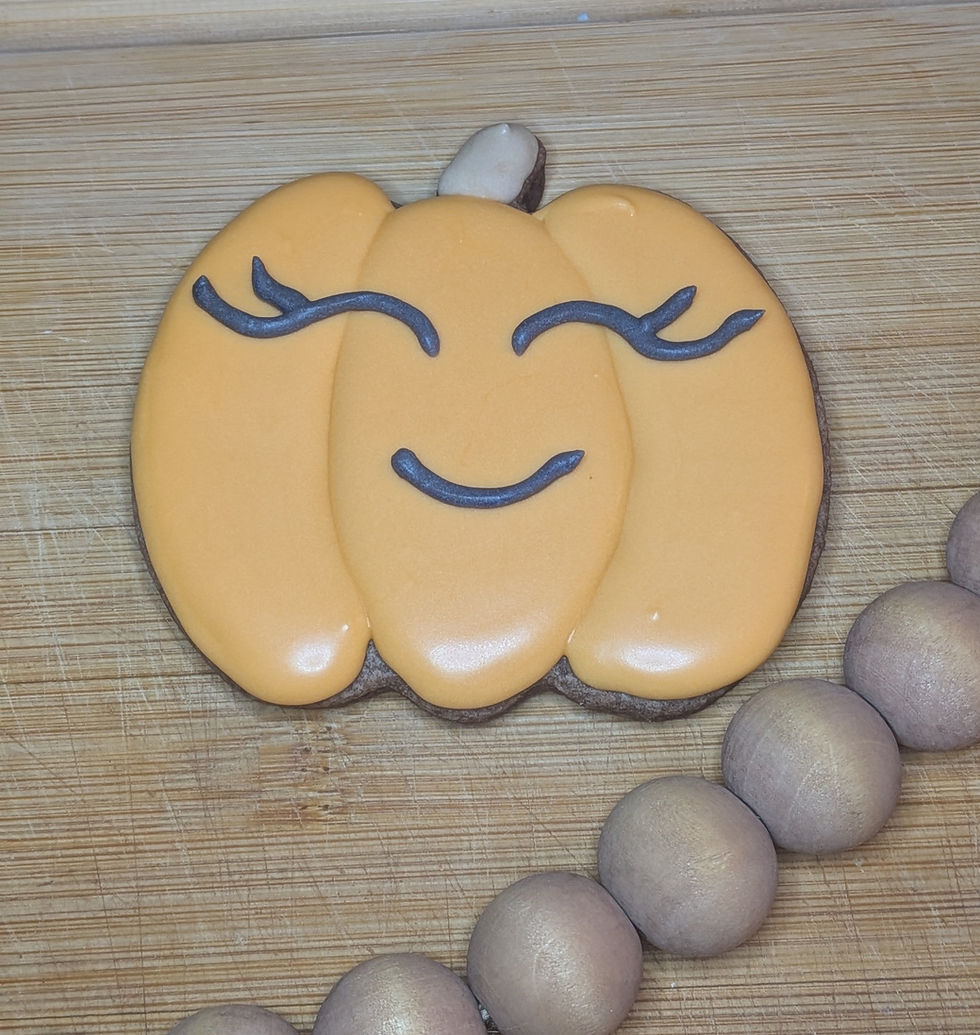
I started making dye-free cookies because I wanted treats I could feel good about giving my own family. Every cookie uses plant-based colors—no petroleum dyes, no artificial anything. Just real ingredients that happen to be beautiful.
Want Valentine's treats without the chemistry experiment?
Something special is coming... join the Cookie Crumb Club to get first access. 💕
Sources: FDA.gov, The Lancet (2007), European Food Safety Authority, Environmental Working Group


Comments